Understanding the Technical Nuances of Premium Wallcoverings
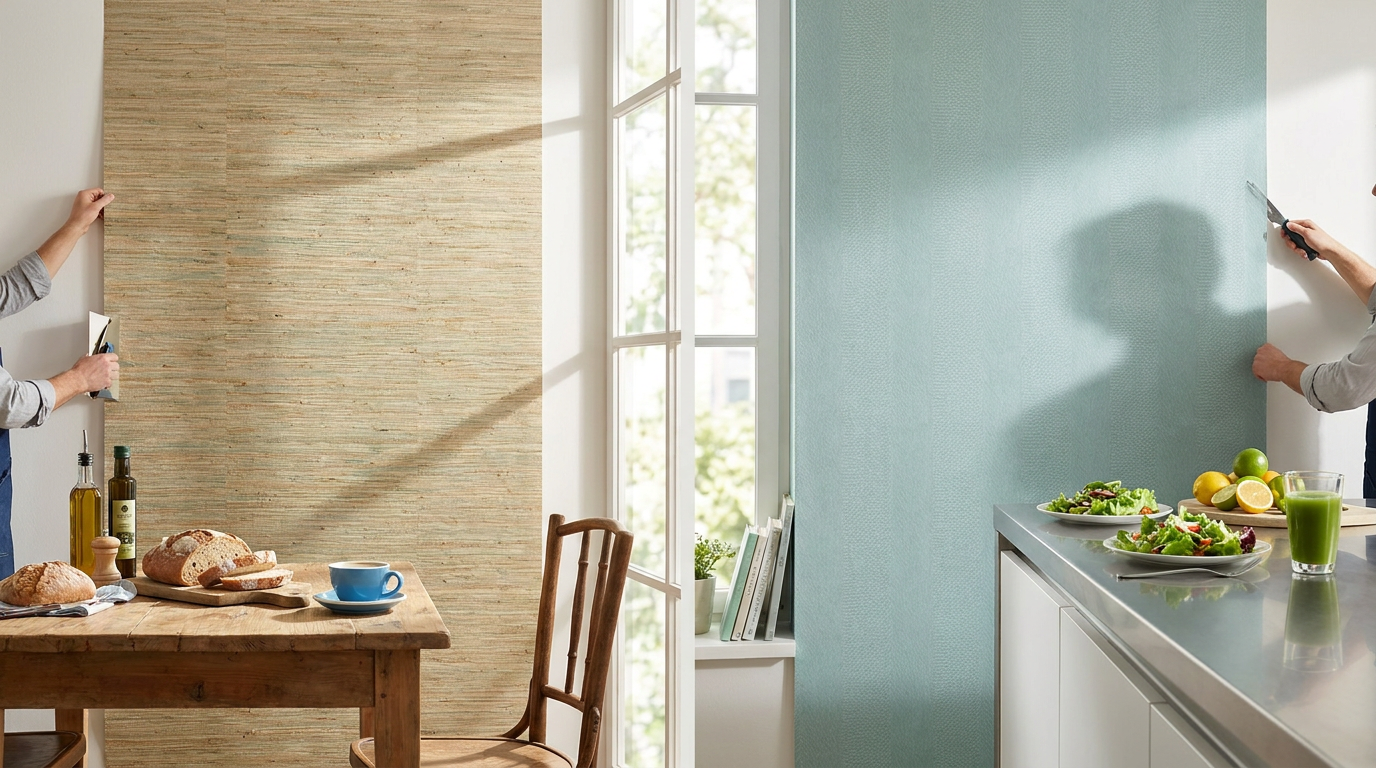
When selecting wallcoverings for a high-end property in Montclair or Alpine, homeowners often prioritize aesthetics over material properties. However, the technical differences between grasscloth and vinyl dictate every step of the installation process. Grasscloth is a natural, hand-woven material often made from sea grass, jute, or sisal. It provides an organic texture and depth that vinyl cannot replicate, but it is also significantly more temperamental. Unlike printed vinyl, grasscloth cannot be wiped clean if adhesive touches the face, and it is prone to 'shading'—subtle color variations between rolls that require a master's eye for layout.
Standard vinyl wallcoverings are the workhorses of the industry, offering incredible durability and moisture resistance. They are ideal for high-traffic hallways or light-commercial spaces. However, the installation of luxury vinyl often involves precision trimming and heat-set seams that a general painter may not be equipped to handle. Understanding these nuances is the first step in ensuring your investment in premium materials doesn't go to waste due to improper handling.
The Specialized Craft of Grasscloth Installation
Installing grasscloth in a North Jersey dining room is a specialized craft that departs from standard wallpapering techniques. Because grasscloth is absorbent, traditional 'booking'—the process of letting the paste soak into the paper—must be timed perfectly to prevent the fibers from expanding too much or the adhesive from bleeding through. At NJ Wall Story, our grasscloth wallpaper installer NJ services focus on 'dry-hanging' or hand-pasting techniques that protect the delicate face of the material.
Furthermore, grasscloth seams are meant to be seen. This is known as 'paneling,' and it is a hallmark of authentic natural fibers. A specialist knows how to balance these panels across a wall to create a symmetrical, intentional design. In contrast, vinyl installations usually aim for invisible seams. This requires a double-cutting technique on the wall, often with a fresh blade for every single cut, to avoid tearing the backing. Using the wrong adhesive or cutting tool on a luxury vinyl mural can lead to curling edges or visible gaps as the material cures.
Why Preparation Dictates the Lifespan of Your Wallcoverings
Regardless of whether you choose a textured grasscloth or a sleek designer vinyl, the secret to a high-end look lies beneath the surface. Many homeowners in Essex and Bergen County are surprised to learn that we spend as much time on wall prep as we do on the actual installation. For grasscloth, the walls must be primed with a specific high-tack, pigment-fading primer to ensure the heavy material doesn't slide and the wall color doesn't peek through the natural gaps in the fibers.
If you are transitioning from an old wall finish, professional wallpaper removal is mandatory. We meticulously strip old adhesives and sand the substrate to a Level 5 finish. This is especially critical for vinyl murals, where even a tiny grain of sand behind the paper will create a visible 'pimple' on the smooth surface. Our meticulous wall preparation ensures that your walls are structurally sound and chemically compatible with the luxury adhesives we employ.